
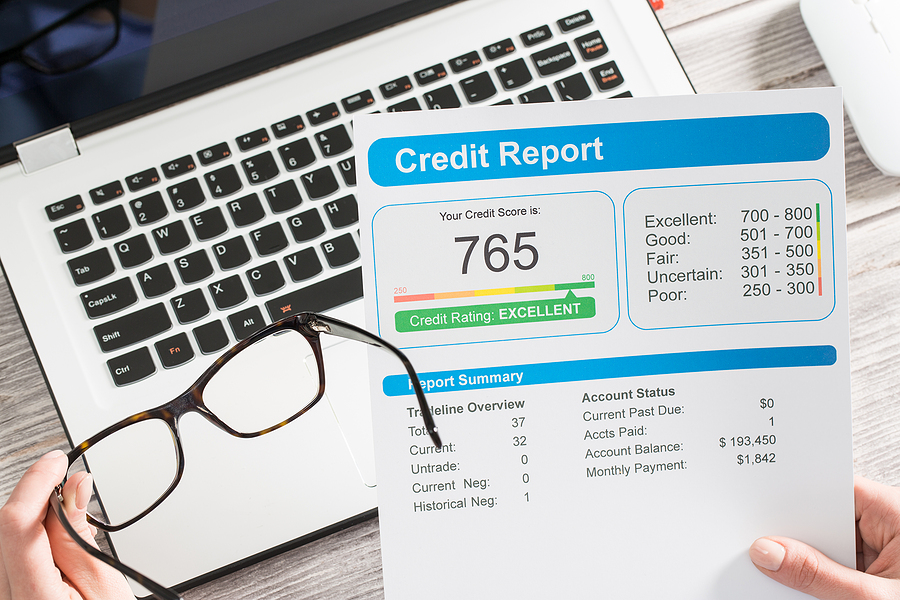
Credit reports for employment purposes have evolved significantly. While it was once common practice to include a credit check in the hiring process, legal restrictions have increasingly limited their use. New York City, California, and Connecticut, among others cities and states, have implemented laws that restrict how employers may use credit reports, and this trend is expected to continue. Unfortunately, laws vary across the country, and employers need to understand all of the laws in their particular jurisdiction(s) before ordering a credit report for employment screening.
Certain situations, however, do permit reviewing a credit report, and proper interpretation is important when making informed employment decisions.
Beyond hiring, the ability to read a credit report helps individuals track their credit standing and guard against identity theft. Becoming familiar with a credit report’s structure and contents allows individuals to spot inaccuracies, identify potential fraud, and strengthen their overall financial management.
This blog reviews the key sections of a typical credit report and offers practical tips on how to detect signs of fraud, concluding with steps people can take to protect themselves.
Overview of Credit Report Sections
Credit reports from the three major credit bureaus (Experian, Equifax, TransUnion) follow a similar structure:
- Personal information, also known as credit header information
- Account history
- Public records, which has been limited over the years
- Inquiries
Credit Header: Personal Information
The credit header displays name, current and former addresses, date of birth, Social Security number, and possibly employer information.
Fraud Prevention/Identification Tip: Check this section for unfamiliar names and/or addresses, or jobs you never held. These may simply be errors—for example, commingling of a spouse’s information—or they can signify something more sinister, such as identity theft.
Credit Summary and Financial Summary
These summaries give a snapshot of current debt (usually by type, such as mortgage, installment, etc.), available credit, number of open and closed accounts, and number of late payments.
Fraud Prevention/Identification Tip: The summaries are more general in nature than the credit history section and should be used as a quick reference guide: look for unusually high balances or account types that are unfamiliar, which can be red flags for fraud.
Credit History
The heart of the report, this section contains detailed information on each “tradeline,” or account on the report, either open or closed.
Fraud Prevention/Identification Tip: This section should be read very carefully. Look for any unfamiliar accounts. And look at the credit history, balances and status of each account to make sure they are accurate. Investigate any irregularities.
Reading Credit History
The credit history section shows if bills were paid on time every month. It will list the creditor, when the account was opened, the last status or reported date, the balance on the account, how much is past due, payment history, account status, and more.
Understanding 30/60/90 Day Late Categories
One of the more important parts of the credit history section for an employer is the late categories, which are typically listed as 30, 60, or 90+ days late. The numbers under these headings indicate how many times payment was 30, 60 or 90+ days past due. For example, if someone paid their bill a week late three times, the number 3 would show up under the 30-day column. The amount currently past due will also be important for an employer’s review.
Remarks
Remarks are explanations added to an account to clarify special situations, like late payments or disputes. Remarks attempt to give more context to an account, such as if the consumer is disputing the record, if the account was charged off due to non-payment, and more.
Public Records
This section used to contain liens and judgments; however, they were not always reported in compliance with the Fair Credit Reporting Act (FCRA). Since 2018, this section now mostly includes only bankruptcy filings.
Inquiries
The inquiries section lists organizations that have accessed the credit report. Credit report inquiries are classified as “hard” or “soft”: hard pulls are used for things like loan applications, which usually contain a credit score, and may affect credit scores; soft pulls are used for things like employment background checks, which do not include a credit score, and will not negatively affect credit scores.
Fraud Prevention/Identification Tip: Review organization names and the dates of the inquiries for any unexpected credit pulls, which could be an indication of identity theft.
Benefits of Reviewing Credit Reports
Employers and consumers need to review credit reports carefully. As an employer, understanding how a credit report works is critical to making hiring decisions. As a consumer, such knowledge will show how a prospective creditor or employer will view the report and may help uncover fraud.
Credit Freezes and Credit Monitoring Services
In addition to requesting a free credit report and reviewing it for accuracy, one easy thing anyone can do to make identity theft more difficult is implement a credit freeze. “Freezing” a credit report restricts access to the credit file, making it difficult for thieves to open accounts under someone’s name. The credit file must be unfrozen to allow a credit inquiry or to open an account. To freeze a credit file, simply create an account with the respective credit bureaus, and toggle a switch to freeze the file. Just remember to toggle it off when applying for credit or when undergoing a background check for a job requiring a credit check (and turn it back on after). Best of all, freezing a credit file is free.
Another option is to subscribe to a credit monitoring service. These services usually require a monthly or annual subscription fee to monitor credit activity and provide alerts for new credit inquiries, accounts being opened/changed, or credit balance changes. These services may also allow for monitoring a minor’s name and Social Security number to ensure that an account is not opened their name.
Both of the above options will make fraud more difficult—or at least allow for early detection. Credit freezing is a more proactive approach and is free; credit monitoring is
more reactive and comes with a fee but offers another great tool to prevent fraud. And there’s no harm in doing both.
Finally, if you suspect fraud, you can place a fraud alert with the credit bureaus.
Additional Credit Report Resources
Check out the following free resources to order credit reports, read instructions provided by each bureau on how to interpret their report, and links to each bureau to initiate a credit freeze.
Requesting Free Credit Reports
| Annual Credit Report.com | https://www.annualcreditreport.com/index.action |
Reading Credit Reports
| Experian | https://www.experian.com/blogs/ask-experian/credit-education/report-basics/understanding-your-experian-credit-report |
| TransUnion | https://www.transunion.com/how-to-read-your-credit-report |
| Equifax | https://assets.equifax.com/assets/canada/english/consumer_credit_report_user_guide.pdf |
Freezing Credit Reports
| Experian | https://www.experian.com/help/credit-freeze |
| TransUnion | https://www.transunion.com/credit-freeze |
| Equifax | https://www.equifax.com/personal/credit-report-services/credit-freeze |